

Blog – What impact might the war in the Middle East have on Network & Telecoms?
For those amongst us who are responsible for designing, procuring, deploying, or managing network and telecoms solutions, there are three main risks that the war in the Middle East has created and which you should be thinking about mitigations immediately:
Security
Iran is renowned as one of the main state actors when it comes to cyber threats, and it seems highly likely that one of Iran’s responses to the war will be to use their cyber offensive capabilities in a more direct and damaging way. It is further likely that these attacks will be directed towards US businesses, many of which are tech companies either directly operating in the network and telecoms sector, or providing critical underpinnings to our sector. The key mitigation to this risk is for organisations to work closely with their internal and external cyber teams and partners to ensure they are prepared both for direct attacks on their organisation, but also the impact of attacks to their supply chain
Hardware Delays
With much equipment manufactured in the Far East or reliant on semiconductors from Taiwan, any impact to shipping to Europe may well lead to sorts of delays we saw in the early days of the pandemic, when roll-outs were severely impacted. Re-routing shipping around the Cape of Good Hope rather than risking using the Suez Canal will increase the cost of shipping, add approx. 12 days to the transit time, and reduce overall capacity as ships can make fewer journeys. The most obvious mitigation to this risk is to pull forwards hardware ordering – better to stockpile kit than to face the delays and onward costs of not being able to get it later
Inflation
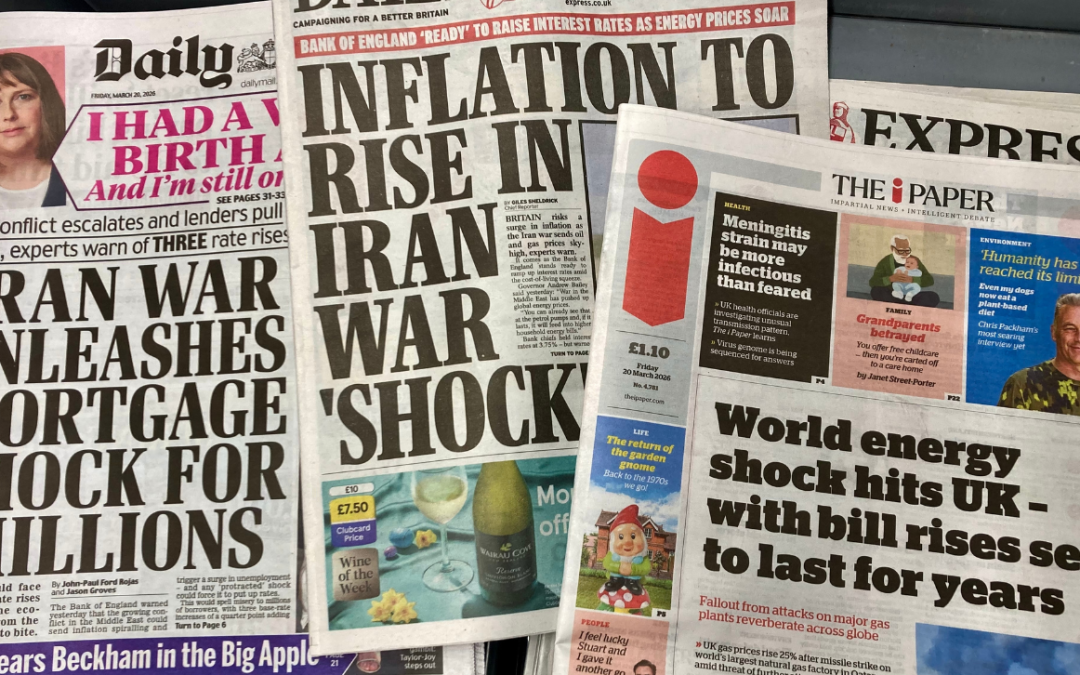
As we are beginning to see at the petrol pumps, the immediate reaction of the markets to the war and specifically to the flow of oil out of the Persian Gulf is the increase in the cost of fuel. As we saw 4 years ago with the invasion of Ukraine, this can quickly translate into wider inflation as so much is impacted by fuel or energy costs – whether it’s the cooling of data centres or the fuel in the ships and lorries and vans that transport a router from factory to customer site. Of course, longer term, this can feed through into other costs, including greater pressure on people costs as staff seek to mitigate the impact of inflation in their domestic lives. The ideal mitigation here is to negotiate contracts with suppliers that don’t allow inflation cost increases, but for those that already have these clauses in their contracts, budgeting for this increase is key. However, TNC would also strongly recommend reviewing all expenditure elements within these contracts – in our experience, most network and telecoms billing includes services no longer required, so auditing these out can mitigate much of the impact of inflation and keep costs flat